A PHOTOGRAPHIC AND HISTORICAL ARCHIVE OF CARDIFF
Capital City of Wales
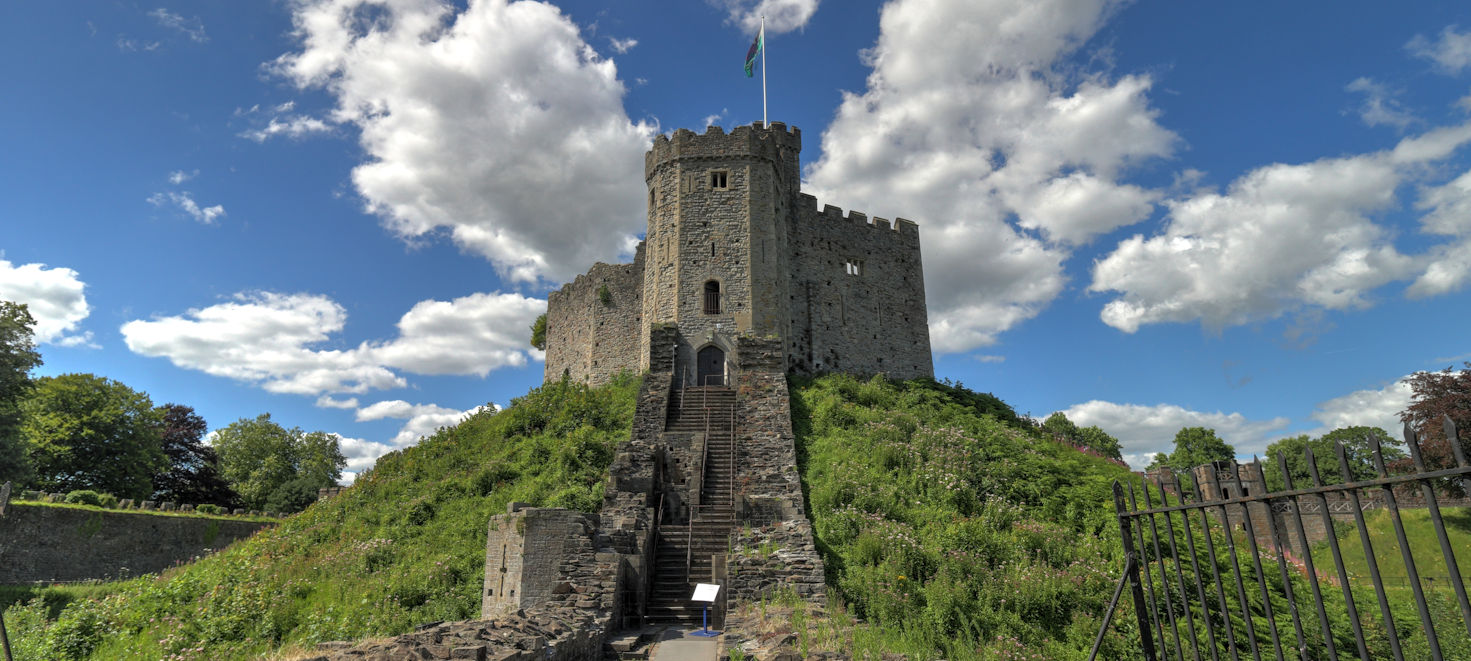
© Matthew Witty
Welcome to Cardiffians.co.uk - online since 2005
This educational website is aimed at those who seek information, about how the medieval settlement of Cardiff has been shaped by important historical events - and became the bustling, classy, media and tourist friendly capital city of Wales it is today.
The pages within will provide you with facts and figures, the history of the suburbs, and a detailed timeline of the development of the city. Also, there is a selection of profiles on some famous 'Cardiffians' - people who have a personal connection with Cardiff.
Over 1,100 photos of old Cardiff and its citizens!
The highlight of this site is the ever growing selection of images depicting Cardiff in its bygone days. Many of these are exclusive to Cardiffians, and come from either my personal collection, or have been graciously donated by people from all over the world.
Change is relentless...
Even as the city centre continues to undergo it's biggest sustained re-development in a century, Cardiff still retains a lot of character that other modern cities often lack in the 21st century.
As the view of the city centre known to generations changes for ever in the 2020s, less and less of the old town remains - but all you need to do is 'look up once in a while' and see the ornate stonework on the buildings housing the generic pubs and clubs below.
Progress is a necessity; but it's a loss to everyone that so many buildings and streets of long ago have been demolished and cleared away, with hardly any thought about the important historical and social qualities being lost in the process.
This is your opportunity to look upon Cardiff of old - to see just much one of Europe's youngest, non-purpose built capital cities has changed so significantly, in such a short space of time.
I really hope you enjoy your virtual visit through the history of Cardiff.
Recent updates: November 2025
A very difficult year
2025 has been tough for many people. The UK economy is worse than ever, bills are skyrocketing, and jobs are scarce. All of my projects and hobbies had to be put on ice whilst I focused solely on finding work.
There have been quite a few occasions in the past 18 months where I've had to consider closing the site down, due to lack of funds and time to maintain it. Fortunately, I've still been able to collect and restore new content. On 04 November, I published another 33 unique images of old Cardiff. Check out the image index page for details (sort by date added).
If there is anyone who knows how to work with SMF and php, I'd love to get the old forum back online, or at the very least export the messages to a new and more secure alternative.
I'm hoping that going forward into 2026, all our fortunes and luck take a turn for the better. Look out for yourselves - and look up now and again.
PREVIOUS UPDATES
Tap or click to open / closeApril 2024
Suburb pages and timeline updated / New print shop online!
I was aware of many errors - typos mainly - in the suburb pages, and a lot of old code needed updating to bring the pages in line with the rest of the site. During late March and early April, I worked on these pages.
Sadly, many very useful websites that I used to produce and reference my work, have long since vanished from the internet. So in addition to removing old links, I've been adding new references.
I've also updated all the ancillary pages, and after a number of years pondering over and planning it - finally added a shop.
March 2024
All image galleries updated!
The past few years have seen the site updates put on hiatus - but the work behind the scenes never ends. Hundreds of hours have been spent scanning, sorting, identifying and restoring hundreds of new images. Check out the galleries for the latest uploads.
The resolution of images were upgraded from 1280 to 1600 pixels, and copyright logos made more prominent to mitigage the increasing incidents of image theft.
December 2021
When will the forum be back?
The forum was hacked in June 2020, causing issues across the site. I disabled it soon after, and it hasn't been online since. I am not knowledgeble enough to wipe the old installation, and reinstall, without losing the old posts. If anyone can help me with this very technical matter, please get in touch, as I would love to restore the old threads and messages.
July 2021
Where has the clickable Cardiff image map gone?
I noticed the old clickable map had finally broken beyond repair, so removed it. I have created a new Google API account, and was hoping to reproduce a modern interactive map with geo markers for images. This project has been parked yet again, until at least 2026.

© Matthew Witty
Start your journey by selecting an option from the list below.
SITE UPDATE HISTORY
November 2025 (33 images published, some spelling corrections and coding updates)
April 2024 (Timeline, suburbs and all ancillary pages updated in final rollout of v2.2, improved security and SEO, decreased page load speeds, over 100 new images published, new shop online)
January-March 2024 (Sitewide coding updates and new functions added, gallery images upgraded from 1280 to 1600px resolution, copyright logo prominence increased, updated image titles and gallery locations, improved WC AG AAA compliance, Google GA4 analytics implemented)
October 2023 (New Cookie tracking system added for UK GDPR compliance)
July 2020 (Site secured with SHA-256 SSL certification; site-wide coding updates to prepare v2.2; forum taken down)
23 September 2018 (Major sitewide coding updates for v2.1)
26 August 2018 (Minor coding updates; minor content revisions)
15 January 2015 (Site completely rebuilt; v2 launched)
30 December 2014 (General content updates throughout; development prep for v2)
07 March 2011 (v1.3 site redesign published) Archived Page
July 2007 (v1.2 site redesign published) Archived Page
Feb 2006 (v1.1 released) Archived Page
June 2005 (First build (v1) of website launched)
June 2001-2005 (Development stage)